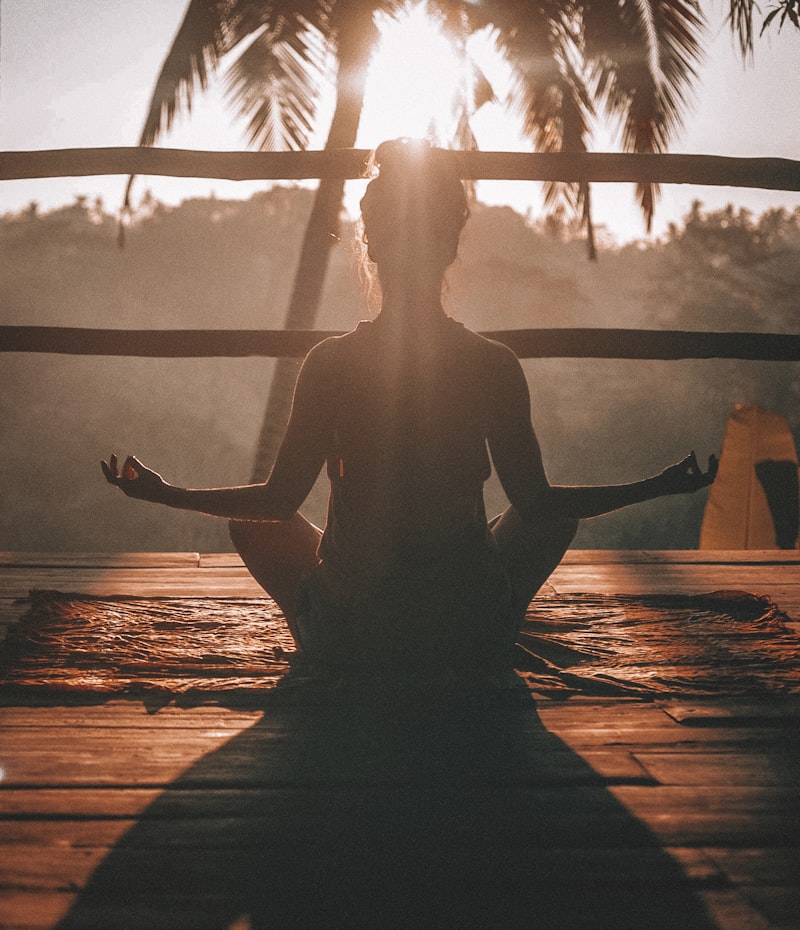
As a therapist, I often urge my clients to find physical activities that support emotional regulation and increase mindfulness. I am always looking for science-backed, practical ways to provide targeted interventions, especially if they are open to trying yoga. The effectiveness of specific yoga poses for stress reduction is strongly supported by embodied cognition.
Embodied cognition is a concept that reveals how our physical body positions directly influence our psychological stress reactivity, thoughts, and emotions (Francis & Beemer, 2019). Research has found that chest-opening postures help counteract the slumped, collapsed physical stance that is typically associated with anxiety and negative affect (Francis & Beemer, 2019). Some examples of poses that research found to be effective include the following:
Tadasana (Mountain Pose) and Urdhva Hastasana (Upward Salute)
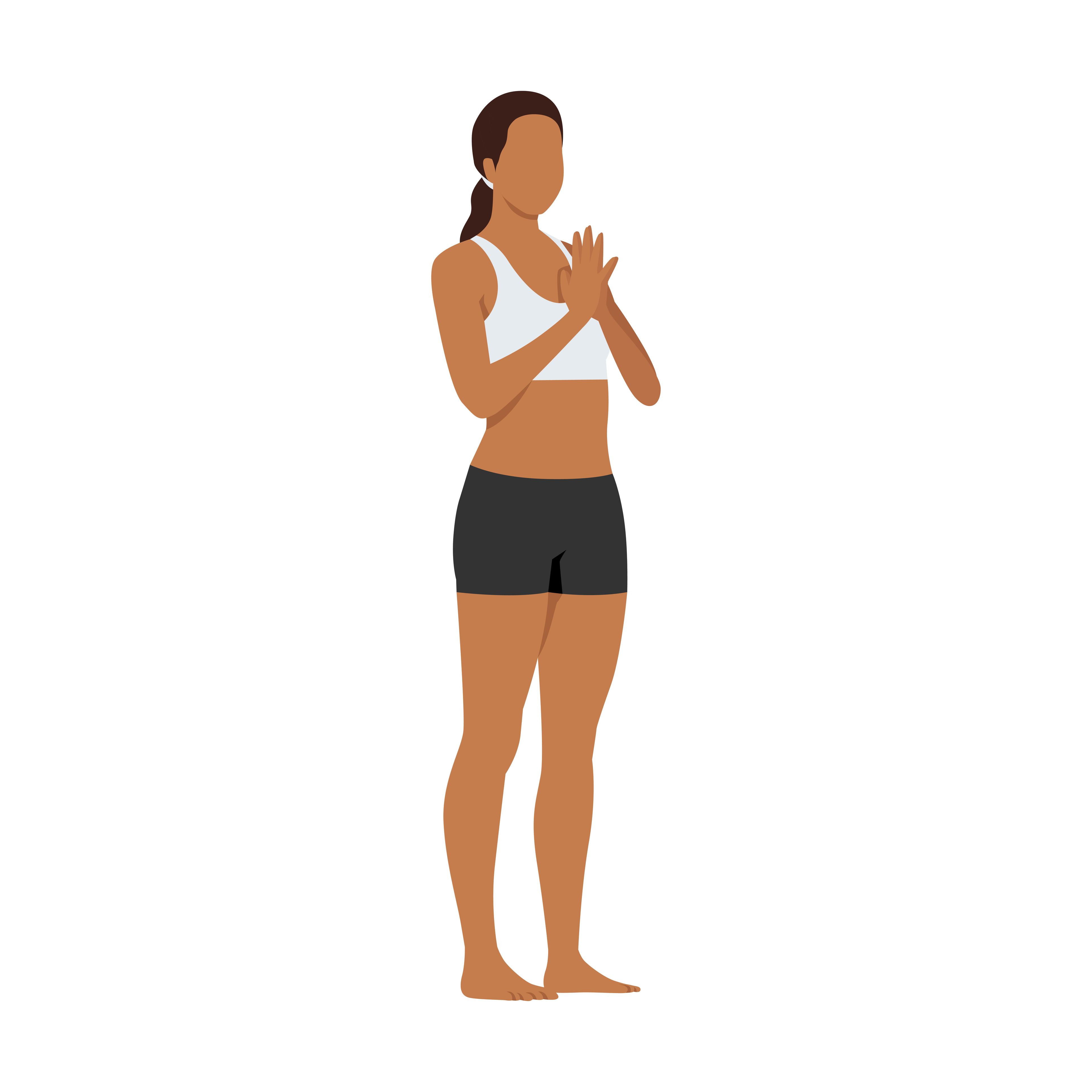
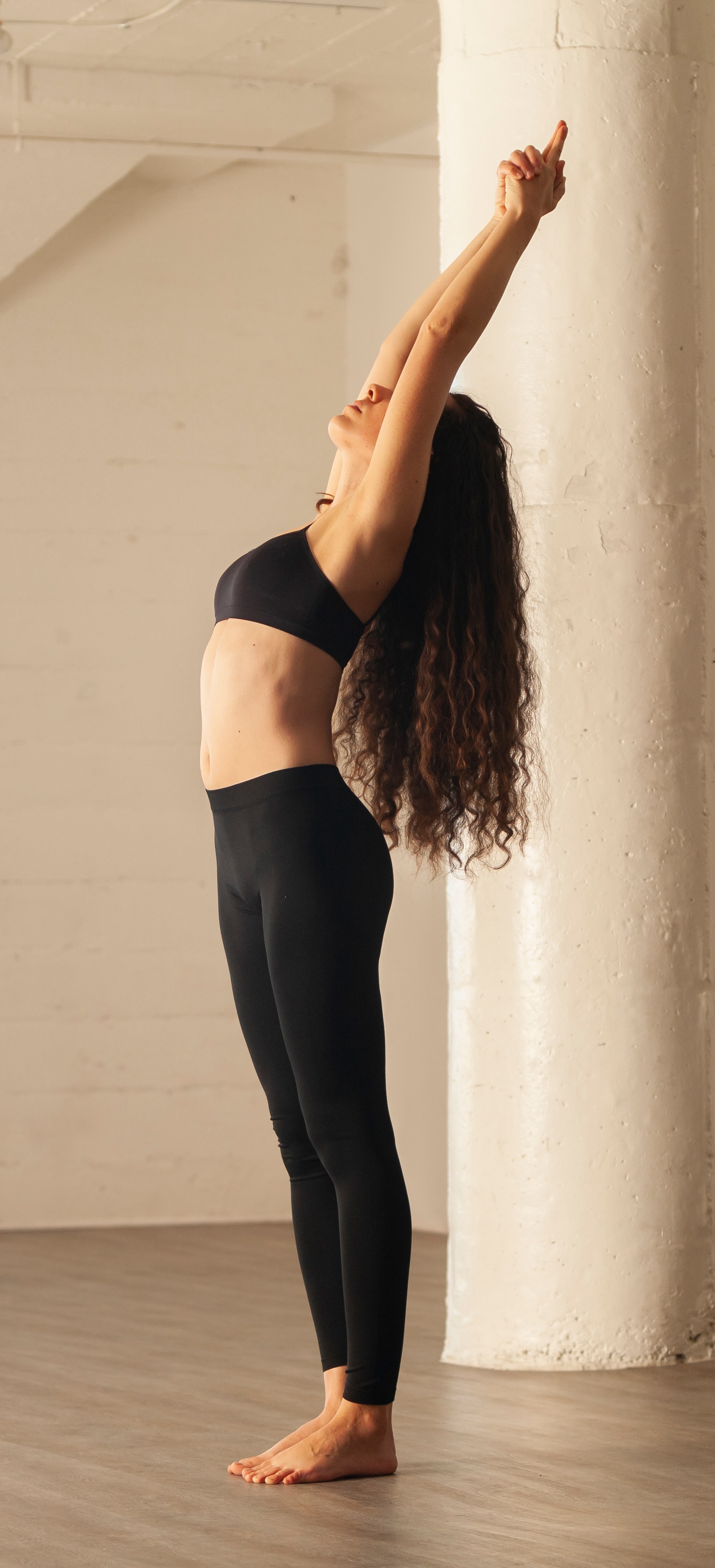
These standing postures require an erect spine, lifted chest, and open front of the body, which have been proven to significantly increase a subjective sense of energy and state self-esteem compared to slouched or constrictive postures (Golec de Zavala et al., 2017). By keeping the chest broad and lifted, these poses encourage deep breathing to full lung capacity, a mechanism that stimulates the vagus nerve, improves vagal tone, and shifts the autonomic nervous system away from a stress response (Golec de Zavala et al., 2017). Consequently, both poses are frequently utilized as foundational techniques for breath awareness and grounding in anxiety-reduction programs (Smith et al., 2006).
Garudasana (Eagle Pose)
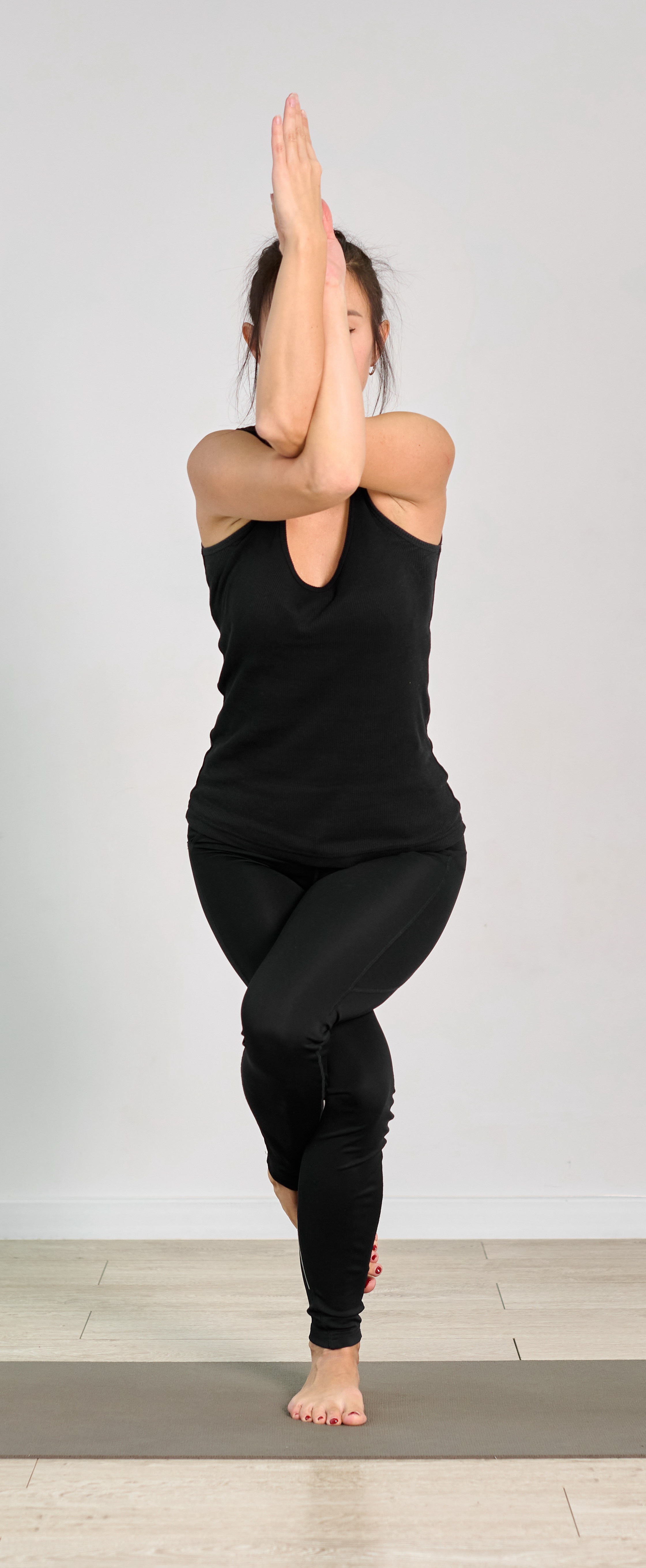
Even when a standing pose requires the arms to cross in front of the chest, such as in Garudasana, it effectively boosts subjective energy and self-esteem (Golec de Zavala et al., 2017). Because the pose still demands a lifted chest and a straightened spine, it prevents the physical "slump" that triggers stress-related psychological states (Francis & Beemer, 2019; Golec de Zavala et al., 2017).
Bhujangasana (Cobra Pose) and Dhanurasana (Bow Pose)
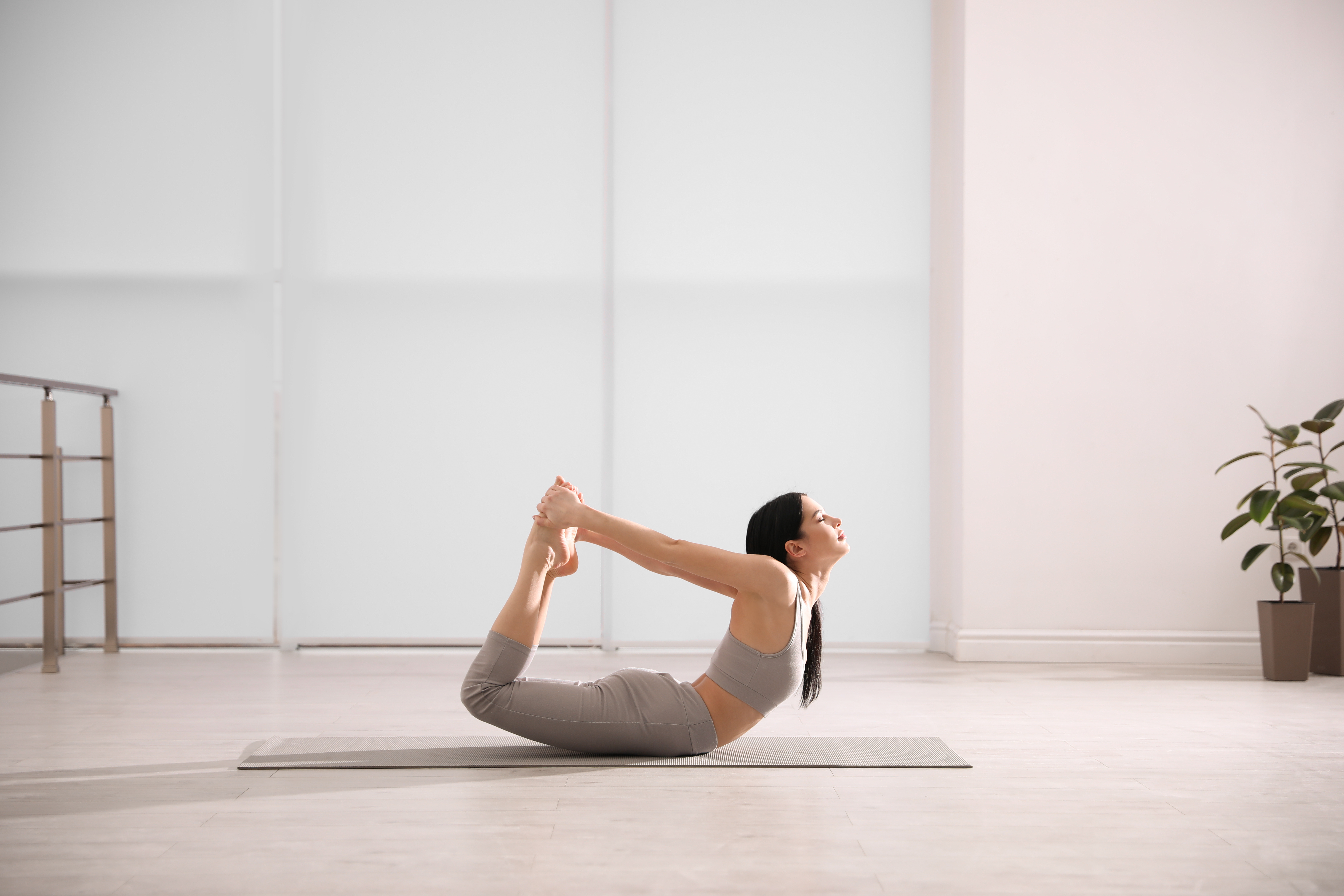
These prone backbends actively expand the front of the torso and chest, counteracting the forward rounding of the posture that often accompanies psychological tension (Gupta et al., 2006). Clinical observations indicate that yoga sessions emphasizing back-bending postures improve positive affect and subjective feelings of energy significantly more than sessions dominated by forward bends, which close the front of the body (Golec de Zavala et al., 2017). They are essential components of lifestyle interventions proven to significantly lower both temporary (state) and chronic (trait) anxiety (Gupta et al., 2006).
Vrikshasana (Tree Pose) and Utthita Trikonasana (Triangle Pose)
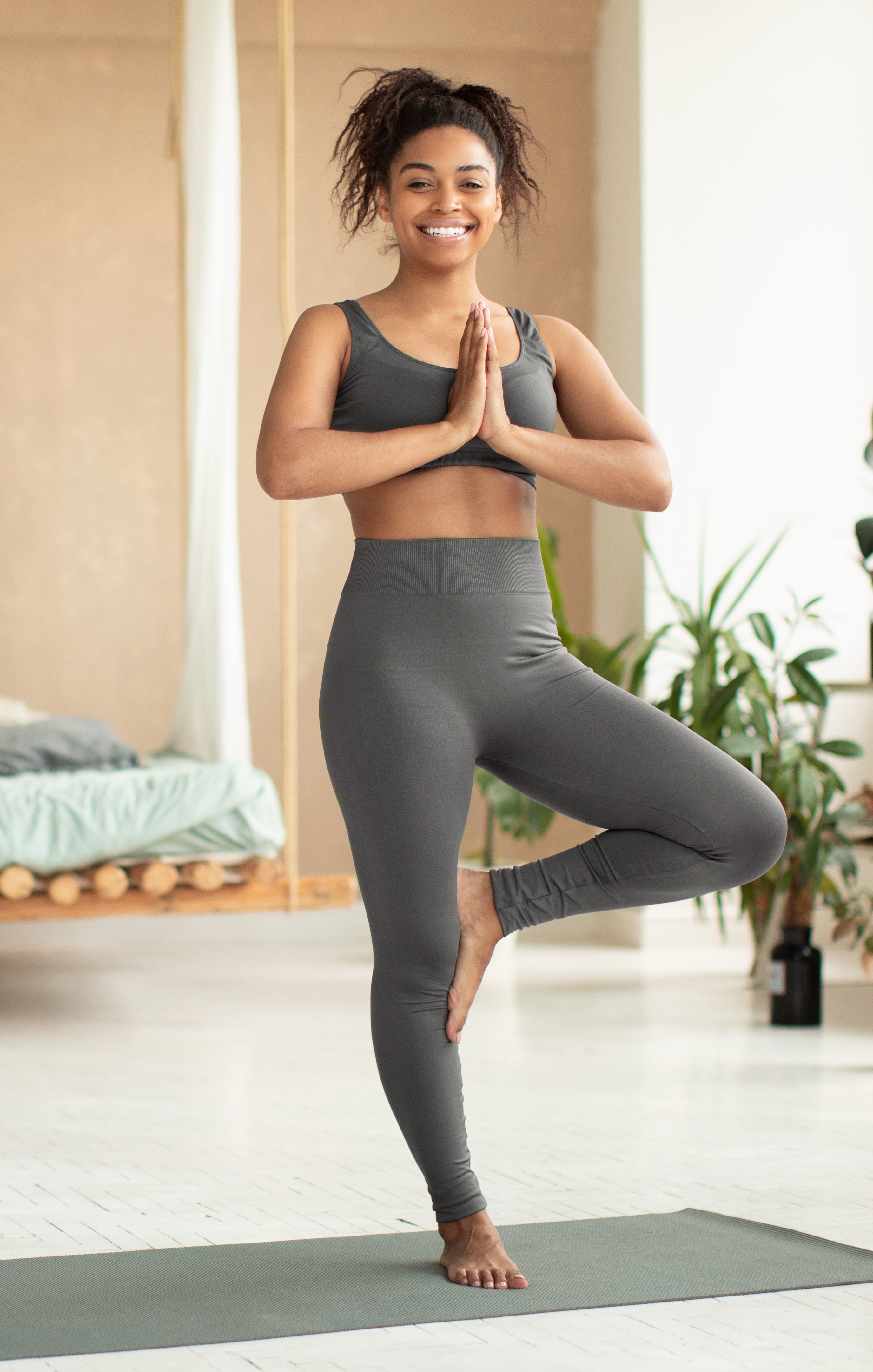
Active, standing balance postures like Tree Pose and Triangle Pose are key elements of sequences used to combat mild to moderate stress (Gupta et al., 2006; Smith et al., 2006). Adopting these expansive, confident body positions is associated with higher self-efficacy and greater task persistence when an individual faces a stressful situation (Francis & Beemer, 2019).
Shavasana (Corpse Pose)

Deep relaxation poses performed in a supine position (lying on the back) are critical for checking sympathetic nervous system overactivity and reducing the objective manifestations of anxiety, such as a racing heart and high blood pressure (Gupta et al., 2006). Furthermore, research in embodied cognition demonstrates that individuals are more receptive to positive, persuasive messages when lying on their backs rather than standing, making Shavasana an optimal pose for reducing stress-related thinking and absorbing the relaxing benefits of the practice (Francis & Beemer, 2019).
These specific yoga postures effectively engage the musculoskeletal system to calibrate the nervous system, ultimately reducing stress (Gupta et al., 2006; Smith et al., 2006). The next time you feel stressed, it might be beneficial to try these poses.
References
Cramer, H., Lauche, R., Anheyer, D., Pilkington, K., de Manincor, M., Dobos, G., & Ward, L. (2018). Yoga for anxiety: A systematic review and meta-analysis of randomized controlled trials. Depression and Anxiety, 35(9), 830-843.
Francis, A. L., & Beemer, R. C. (2019). How does yoga reduce stress? Embodied cognition and emotion highlight the influence of the musculoskeletal system. Complementary Therapies in Medicine, 43, 170-175.
Golec de Zavala, A., Lantos, D., & Bowden, D. (2017). Yoga poses increase subjective energy and state self-esteem in comparison to 'power poses'. Frontiers in Psychology, 8, 236653.
Gupta, N., Khera, S., Vempati, R. P., Sharma, R., & Bijlani, R. L. (2006). Effect of yoga based lifestyle intervention on state and trait anxiety. Indian Journal of Physiology and Pharmacology, 50(1), 41.
Smith, C., Hancock, H., Blake-Mortimer, J., & Eckert, K. (2007). A randomised comparative trial of yoga and relaxation to reduce stress and anxiety. Complementary Therapies in Medicine, 15(2), 77-83.